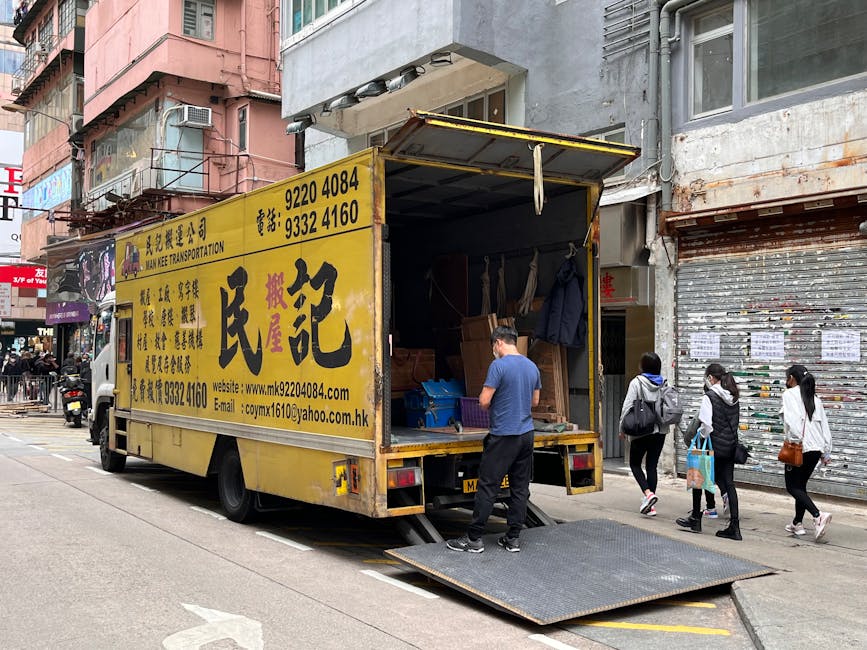
North End Road removals for market area moves: a practical guide for busy local relocations
Moving near North End Road is rarely a simple "load the van and go" job. Between market-day footfall, tight pavement space, shopfront access, delivery windows, and the general rhythm of a busy London street, even a short move can become a proper puzzle. That is exactly why North End Road removals for market area moves need a more thoughtful approach than a standard residential move.
Whether you are shifting a flat above the shops, relocating a small business, moving stock in or out of storage, or preparing for an opening day near the market area, the planning has to be sharp. A good move here is not just about transport. It is about timing, access, packing, communication, and knowing how to work around real street-life conditions. In our experience, the difference between a calm move and a stressful one usually comes down to preparation. Not luck. Preparation.
This guide explains what makes North End Road moves different, how the process works, where the risks are, and what practical steps help everything run more smoothly. If you are weighing up support options, you may also find it useful to look at local removal services in West Kensington, a flexible man and van service, or the broader West Kensington removals options depending on the size and timing of your move.
Table of Contents
- Why North End Road removals for market area moves Matters
- How North End Road removals for market area moves Works
- Key Benefits and Practical Advantages
- Who This Is For and When It Makes Sense
- Step-by-Step Guidance
- Expert Tips for Better Results
- Common Mistakes to Avoid
- Tools, Resources and Recommendations
- Law, Compliance, Standards, or Best Practice
- Options, Methods, or Comparison Table
- Case Study or Real-World Example
- Practical Checklist
- Conclusion
- Frequently Asked Questions
Why North End Road removals for market area moves Matters
North End Road has its own pace. It is lively, practical, and busy in the way only a proper London high street can be. That creates opportunity for traders and residents, but it also means removals need to be planned around the street rather than against it. Market area moves often involve mixed access: some items are coming from upstairs flats, some from back rooms, and some from commercial units with awkward loading arrangements. That mix is where mistakes happen.
The phrase market area moves covers more than simply "moving near a market." It can mean a shop refresh, a stall changeover, a flat move close to a busy trading strip, or a small business relocating equipment, stock, and paperwork in one go. Each version has one thing in common: the environment is active. Pedestrians, traffic, deliveries, neighbours, and trading hours all matter. If you ignore those moving parts, the move can drag on and get expensive, or worse, disrupt trade.
There is also the human side. If you are leaving a home above a market street, the move may carry a strange emotional mix of noise, familiarity, and urgency. You hear the street waking up, vans reversing, crates being rolled, someone calling to a trader outside. It can feel a bit chaotic. A structured removal plan helps cut through that.
For landlords, shop owners, and tenants alike, the main value of a specialist removal approach is control. You want fewer surprises, less handling damage, and a schedule that respects both your belongings and the street outside.
Expert summary: The best market-area move is usually the one that looks almost boring on the day. That is the goal. Quiet timing, clear access, accurate packing, and no last-minute panic.
How North End Road removals for market area moves Works
A good removal for this area starts before the van arrives. Proper planning usually begins with a quick assessment of access, parking, item volume, and timing. For a small flat or light commercial move, a removal van in West Kensington may be the right fit. For a larger property or more complex move, a fuller removals package can make more sense.
Here is how the process normally unfolds:
- Initial review: You outline what is being moved, where it is going, and what makes the site tricky. That might include narrow staircases, shared entrances, loading restrictions, or stock that needs careful handling.
- Timing plan: The move is scheduled to reduce disruption. For market areas, that often means working around peak footfall or business hours. Early starts can help. So can a split move, where only part of the load moves at one time.
- Packing and protection: Items are boxed, wrapped, and labelled so they can be loaded quickly. Good packing matters more than people think, especially when you are trying to move safely through a busy street.
- Loading strategy: Heavier items are loaded first and fragile items are separated. If the route from the property to the van is long or crowded, the order of loading becomes even more important.
- Transport and delivery: The route is chosen with access in mind, not just distance. Sometimes the shortest road is not the best road.
- Placement at destination: Boxes and furniture are placed in the correct rooms or work areas so unpacking is manageable instead of overwhelming.
The process may sound straightforward. On North End Road, it usually is not. That is why a service provider with local awareness can be a real asset. For business moves, office removals in West Kensington are especially helpful when desks, files, and equipment need to be moved without losing a working day to chaos. And if you want to understand the people behind the service, it helps to read about the team before making a decision.
Key Benefits and Practical Advantages
There are real advantages to using a removal approach designed for market-area conditions. The obvious one is convenience, but the practical benefits run deeper than that.
- Better time control: Moves can be scheduled around trading patterns, neighbour access, and traffic flow.
- Less disruption: If you are moving a business or a home above a shop, reduced disruption matters. Nobody wants forklifts of boxes blocking a doorway at the wrong time. Well, not literally forklifts, but you get the idea.
- Lower damage risk: Careful packing and loading reduce the chances of bumps, scrapes, and broken items.
- More efficient unloading: Labelled boxes and organised placement save time on arrival.
- Flexible support: Depending on the job, you may only need a van and driver help, or you may need a full team with packing and carrying assistance.
- Useful storage options: If keys are delayed, a unit is not ready, or stock needs staging, storage in West Kensington can bridge the gap.
There is also a quieter benefit: peace of mind. To be fair, that is often the bit people pay for without realising. When you know the loading plan is sensible and the timing has been thought through, everything feels less frantic. And in a busy area, less frantic is worth a lot.
For packing support, the right supplies matter too. If you are still gathering materials, packing materials and boxes can make the whole job much smoother. A sturdy box is boring until the bottom gives way. Then it is suddenly the star of the show, and not in a good way.
Who This Is For and When It Makes Sense
This kind of removal is not only for large household moves. In fact, many North End Road jobs are smaller, more awkward, and more time-sensitive than people expect.
You may need this service if you are:
- moving from a flat above a shop or market-facing property
- relocating a small retail unit, cafe, salon, or office
- closing, reopening, or refreshing a trading space
- moving stock, fixtures, or display items
- transitioning between rented properties with tight access windows
- staging a move in phases because the destination is not ready yet
- needing short-notice help from a local moving team
It also makes sense if the move has several moving parts at once. For example, a trader might need to clear old stock, move heavier shelving separately, and keep daily operations alive until the final handover. Or a resident may be leaving a top-floor flat while the downstairs unit is still serving customers. That is the sort of move where a simple "just get a van" plan tends to unravel quickly.
People often assume a small move is easy. Sometimes it is, yes. But a small move in a tight, active street can be trickier than a bigger move in an open residential road. Funny how that works.
Step-by-Step Guidance
If you want the move to go well, follow a clear process. Not glamorous, maybe, but solid. This is the bit that saves time later.
1. Survey the space honestly
Walk through the property or unit and note every access issue. Measure large furniture if needed. Check stair width, lift availability, doorway clearance, and where the van can reasonably stop. Do not rely on memory alone. People always forget one awkward corner.
2. Decide what is actually moving
Sort items into keep, move, store, sell, or dispose categories. A market-area move is not the time to transport things you no longer need. If something is bulky, low-value, and likely to sit in a corner for six months, question it. Tough but useful.
3. Pack in order of use
Keep essential items separate from everything else. For a business, that might mean cash handling items, signage, daily paperwork, charging cables, or cleaning supplies. For a home, it may be bedding, a kettle, toiletries, and basic kitchen items. The first evening after the move should feel manageable, not like a scavenger hunt.
4. Label clearly
Use room names, item categories, and, if helpful, priority markers. "Fragile" is useful, but "fragile - glass shelves - kitchen" is better. Clear labels speed up unloading and reduce confusion when everyone is tired.
5. Book the right vehicle and crew
If the job is light, a man with van in West Kensington may be enough. If it is larger or more complicated, a fuller removals team may be the smarter choice. The right fit is not always the cheapest option, but it often turns out to be the cheapest in total because there is less wasted time.
6. Protect the route
Use floor protection, blankets, and wrapping where needed. In busy buildings, door edges and stair corners take a surprising amount of punishment during a move.
7. Keep communication simple on the day
One point of contact is usually best. Too many voices slows things down. You do not need a committee discussing where the sofa should go. You need the sofa to arrive intact.
8. Finish with a final sweep
Check cupboards, shelves, loft spaces, under beds, and back-room storage. People leave things behind all the time. Keys, chargers, paperwork, random cutlery drawers. It happens.
Expert Tips for Better Results
Here are the small things that make a noticeable difference on North End Road and nearby market streets.
- Book around real-life street activity, not wishful thinking. If the area is likely to be busy, assume loading will take longer than expected. Build that in. Always.
- Avoid creating loose piles near entrances. They slow everyone down and can annoy neighbours or passing customers.
- Use colour-coded labels for mixed moves. One colour for home items, another for stock or office materials. It sounds simple because it is simple.
- Keep valuable documents and personal items separate. Do not mix them into general boxes.
- Take photos before dismantling anything complex. Shelving, display units, and cable layouts are easier to reassemble if you have a quick reference.
- Prepare a small "first hour" box. Include phone chargers, tape, scissors, snacks, water, and essentials. That one box can save a surprising amount of stress.
- Use storage as a pressure valve. If the destination is not ready, or if the move is staged, short-term storage keeps things from becoming messy.
A very human tip? Put the kettle somewhere you can reach it quickly. That first cup after a move is oddly important. Sounds silly, but it is true.
Common Mistakes to Avoid
Most removal problems are not dramatic. They are little planning errors that stack up. Here are the ones that show up most often.
- Underestimating access constraints: A van may be close enough on paper, but not close enough in real life.
- Packing too late: The night-before packing rush creates broken items and forgotten essentials.
- Ignoring market traffic: A busy street can slow loading more than expected, especially during peak times.
- Choosing the wrong service level: A small van can be perfect for one move and wildly insufficient for another.
- Failing to separate fragile items: One badly packed box can spoil the whole day.
- Forgetting storage or staging needs: If keys, fit-out work, or cleaning are delayed, you need a backup plan.
- Not telling the removal team about awkward items: Pianos, large mirrors, heavy plant pots, and unusual stock require advance notice.
Truth be told, most "surprises" are not surprises at all. They were just not mentioned early enough.
Tools, Resources and Recommendations
You do not need a huge amount of equipment, but the right basics make the move smoother.
| Item | Why it helps | Best use |
|---|---|---|
| Strong moving boxes | Protects items and stacks neatly | Books, kitchenware, stock, paperwork |
| Packing tape | Keeps boxes secure | All box types, especially heavier loads |
| Bubble wrap or paper wrap | Cushions fragile items | Glass, decor, electronics, displays |
| Labels and marker pens | Speeds unloading and unpacking | Room labels, priority tags, fragile notes |
| Furniture covers or blankets | Reduces scratches and dust damage | Sofas, tables, cabinets, shop fittings |
| Storage access plan | Keeps staged moves organised | Delayed handovers, stock overflow, renovation gaps |
If you want a deeper look at local moving help, you can also review removal companies in West Kensington or the broader removal services overview to see which level of support fits your situation. For residents, the house removals page is useful if the move is mainly domestic rather than commercial.
One more practical recommendation: keep a simple written inventory. It does not have to be fancy. Just enough to know what left, what arrived, and what is still in transit. If you ever need to check something later, you will be grateful you did.
Law, Compliance, Standards, or Best Practice
For moves around North End Road, the main compliance concerns are usually practical rather than highly technical. That said, you should still think carefully about parking restrictions, loading rules, building access policies, and any landlord or management company requirements. In many London streets, the real issue is not the law in the abstract, but whether your plan respects local conditions and avoids unnecessary obstruction.
Best practice usually includes:
- checking whether loading can happen safely and legally at the planned time
- respecting communal areas, especially in shared buildings
- protecting walls, floors, and doorframes during removal work
- making sure items are moved without causing avoidable disturbance
- letting neighbours or building managers know if access will be temporarily affected
For business moves, the same common-sense principles apply, with extra care for stock, equipment, and any sensitive documents. If you handle customer information or confidential material, keep it secure and separate during transit. If you are dismantling office furniture or electrical items, make sure they are handled in line with normal safety expectations. No need to overcomplicate it, just be sensible and organized.
It is also worth remembering that a reputable moving team should work carefully, communicate clearly, and avoid shortcuts that create risk. Standards in removals are often felt rather than written down. You know them when you see them: tidy loading, careful carrying, and no flapping about.
Options, Methods, or Comparison Table
Not every move near North End Road needs the same approach. Here is a simple comparison to help you choose.
| Option | Best for | Strengths | Limitations |
|---|---|---|---|
| Man and van | Small flats, light loads, short notice moves | Flexible, efficient, often ideal for tight streets | May not suit large or multi-room moves |
| Full removals service | Larger homes, mixed household and commercial loads | More hands, better for complex lifting and planning | Usually more involved to schedule |
| Van-only removal | Self-packed, straightforward transport jobs | Simple and cost-conscious | You handle most of the carrying and organisation |
| Removal plus storage | Staged moves, delayed handovers, renovation gaps | Flexible and low pressure | Needs more planning and coordination |
The right choice depends on load size, access, time pressure, and whether the move includes home items, business items, or both. If your move is small but fiddly, a man and van service may be the sweet spot. If you need more support, a more complete removals package might be the better call.
Case Study or Real-World Example
Imagine a small retailer on or near North End Road preparing to move to a nearby unit. The shop still needs to trade until the end of the week, stock is partly on display, and there are back-room shelves, boxes of paperwork, and a few awkward fixtures that will not fit into a standard car. The owner does not need a massive nationwide moving operation. What they need is timing, coordination, and a van with enough flexibility to handle multiple stops if necessary.
In a job like this, the move might be split into two parts. First, non-essential stock and storage items go out during a quieter time. Then the remaining display stock, equipment, and small furniture are moved closer to handover. The benefits are pretty clear: fewer interruptions to trading, less clutter in the shop, and a smoother final closing day.
Now picture the same street from the resident side. A tenant leaving a flat above a busy commercial frontage might not have much space outside, so boxes are carried in stages and loaded carefully to avoid blocking customers. The team works quickly, but not recklessly. That balance matters. A rushed move in a busy market strip can spill over into everyone else's day, and nobody wants that.
That is the real value of local removals knowledge. It is not just transport. It is judgement.
Practical Checklist
Use this checklist before move day. It keeps the small stuff from becoming big stuff.
- Confirm the moving date and estimated time window
- Check access, parking, and loading arrangements
- Measure large furniture and awkward items
- Sort what stays, what goes, and what goes into storage
- Pack essential items separately
- Label all boxes clearly
- Protect fragile items and corners of furniture
- Notify neighbours, building managers, or shop staff if needed
- Prepare keys, documents, and payment details in advance
- Keep water, chargers, and a small essentials box close at hand
- Walk through every room before leaving
- Recheck storage items, back rooms, and cupboards
Small note, but worth saying: if a task feels too fiddly to leave until the morning of the move, do it the day before. The morning will already have enough going on.
Conclusion
North End Road removals for market area moves work best when they are planned around the realities of the street, not just the contents of the property. Busy access, mixed-use buildings, shifting schedules, and customer or neighbour flow all shape what a good move looks like. Once you account for those details, everything gets easier. Less strain. Less confusion. Better results.
Whether you are moving a flat, a shop unit, office equipment, or a combination of all three, the smart approach is the same: assess carefully, pack properly, choose the right level of help, and build in enough time for the unexpected. That is how you keep control in a place that does not always sit still. And honestly, that calm, steady approach makes all the difference.
If you are planning a move and want a straightforward next step, start by reviewing the most suitable local service and asking a few clear questions about access, timing, packing, and storage. A well-matched moving plan is worth its weight in gold on a busy road.
Get a free quote today and see how much you can save.
For a friendly starting point, you can also contact the team here and talk through your move in plain English. No drama. Just a sensible conversation about what needs doing and how to make it easier.
Frequently Asked Questions
What makes North End Road removals different from a normal house move?
The main difference is the environment. North End Road is busier, more mixed-use, and more sensitive to access timing than a typical residential street. That means the move often needs tighter planning around loading, traffic, and footfall.
Can a man and van service handle market area moves?
Yes, often it can. A man and van service is a strong fit for lighter loads, smaller flats, and short-distance moves where flexibility matters more than large crew size.
Is storage useful for a move near North End Road?
Definitely, especially if handover dates do not line up or you need to stage the move. Storage in West Kensington can reduce pressure when keys, refurb work, or inventory changes create a gap.
How far in advance should I book?
As early as you reasonably can, especially if your move needs a specific time window or involves a busy trading period. Early booking gives you more choice and usually makes planning simpler.
What should I pack separately for moving day?
Keep essentials separate: chargers, documents, keys, basic toiletries, kettle supplies, and anything you need within the first hour at the new place. For businesses, include any day-one tools, records, or customer-facing items.
Do I need to worry about parking or loading restrictions?
Yes. In a busy London area, access matters as much as the move itself. Always think about where the vehicle can stop safely and whether loading can happen without creating avoidable disruption.
What if my new place is not ready yet?
That is where a staged move or temporary storage can help. It is better to move in phases than to rush everything into a space that is not prepared.
Are office removals different from home removals in this area?
They are, mainly because office moves often involve files, equipment, desks, and a tighter need to minimise downtime. If that is your situation, office removals in West Kensington are usually the more relevant option.
What packing materials are most important?
Sturdy boxes, tape, wrapping for fragile items, labels, and protective blankets are the basics. If you want to gather supplies properly, boxes and packing materials are a sensible place to start.
How do I know whether I need a full removals team or just a van?
Look at the volume, the access, and the time pressure. If the move is small and straightforward, a van may be enough. If it includes multiple rooms, awkward lifting, or a business shutdown, a fuller service is usually the safer choice.
Can removals near North End Road be done outside normal working hours?
Sometimes, yes, depending on the property, access conditions, and the service provider's availability. For market-area moves, timing flexibility can be very helpful, but it needs to be agreed in advance.
Where can I find more help with local removals?
You can look at the wider West Kensington removals information or review the team's wider removal services to see what fits your move best. If you are still comparing options, local removal companies can also help you understand service levels.
What is the best first step if I am planning a move soon?
Make a clear list of what is moving, what needs special handling, and what constraints the street or building creates. Then ask for a quote and talk through the access details properly. That one conversation can save a lot of hassle later.